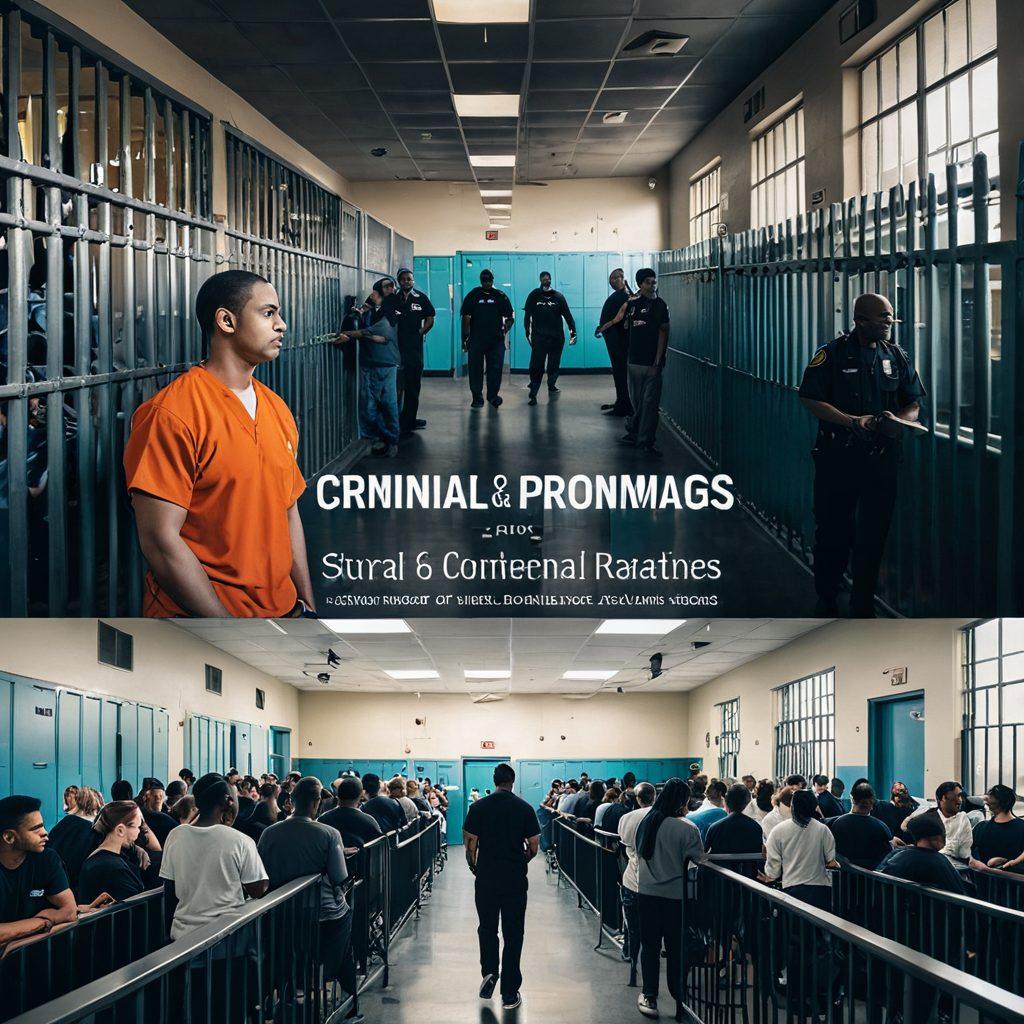
Unveiling the Truth: Navigating Criminal Background Checks and Offender Information
In a world where the idea of second chances often battles against the shadows of past mistakes, understanding criminal records stands as a beacon of clarity. Whether you’re an employer considering a potential hire or an individual checking your own criminal background for peace of mind, decoding offender information is crucial. But what exactly do these records entail? And how can we navigate the complexities of criminal history in a way that’s both informed and compassionate? Let's explore these questions together, as we uncover the veil shrouding judicial information and its implications.
Criminal records—often perceived as daunting and intimidating—are simply snapshots of a person’s past interactions with law enforcement agencies. These records encompass a range of occurrences, from misdemeanors to felonies, and even include arrest records that might seem minute to some but can carry weighty implications. Understanding this terrain not only empowers us to check criminal history accurately but also fosters a culture of rehabilitation instead of mere judgment. After all, even the most notorious inmate was once a child with dreams and aspirations. Could the same happen to any of us, given different circumstances?
As we dive deeper into the world of law records, it's fascinating to reflect on how crime reports are compiled and shared. Such records vary widely, holding a treasure trove of data about arrests, charges, and court documents that detail the legal outcomes. The statistics surrounding these crimes can be mind-blowing. Did you know that criminal background screening has become increasingly common in today's hiring practices? Employers often scan for criminal history to protect their interests, but are they also contributing to a cycle that makes rehabilitation that much harder?
When one thinks about offender information, the role of law enforcement agencies cannot be underestimated. They are at the heart of collecting, maintaining, and disseminating crucial data on crime statistics. Yet, it raises paramount questions. Are we adequately considering the human side of these records? What of the individuals who have paid their dues and are now striving to reintegrate into society? The systemic barriers they face should prompt us to ask, how can we create a more understanding environment that offers opportunities for growth rather than constant reminders of past errors?
In an age where information is just a click away, legal research provides not just clarity but also an avenue for unbiased storytelling. The journey of every convict is unique, intertwined with complexities beyond what appears on a record. It's crucial to remember that penal codes and the resultant punishment serve as a societal response to crime but do not define the person within. Harnessing the power of empathy allows us to transcend traditional views on criminal histories. The next time you encounter an individual with a checkered past, take a moment to reflect: what can we learn from their experiences, and how can we support rehabilitation over recidivism?
Behind the Bars: A Deep Dive into Criminal Background Checks and Their Significance
Criminal background checks can feel like an unseen wall in our society, standing between individuals and their chances of a fresh start. Imagine: you apply for a job, hopeful and excited, only to discover that your past—a chapter written long ago—casts a long shadow over your future. What exactly is behind this barrier? Understanding the ins and outs of criminal background checks is crucial, not only for those seeking employment but for anyone wanting to grasp how judicial information shapes our communities. In this deep dive, we will explore the significance of these checks, demystify the terminology, and discuss how they impact both offenders and society as a whole.
Every day, law enforcement agencies conduct record checks, utilizing an array of resources that include arrest records, crime reports, and police records. Have you ever thought about what goes into a criminal history report? It’s not just about checking if someone has a felony or a misdemeanor on their record; it’s an intricate web of law records, court documents, and rehabilitation efforts. As we peel back the layers of these practices, we uncover a world where past actions constantly influence present opportunities. 'The past is never dead. It's not even past.' - William Faulkner’s words echo profoundly within the realm of criminal background checks.
But why does this matter? The statistics can be staggering. According to crime statistics, a significant percentage of the population has encountered the justice system in one way or another, whether as an inmate or through family connections. When individuals are labeled as offenders, society often struggles with the balance between public safety and providing avenues for reintegration. An effective criminal background screening process can ultimately determine whether a person gets another shot at life or continues to be stigmatized by their past. It raises the question: Shouldn’t every person be given the chance to rebuild?
As we navigate the complexities of penal codes and legal research, we must remember that each arrest record tells a story. Stories of poor choices, unfortunate circumstances, and sometimes wrongful accusations. What if the person behind those records is a changed individual striving for a better life? At what point should society consider the notion of rehabilitation? It's essential to look at criminal background checks as not just tools for employers, but as a reflection of our collective values regarding justice and redemption.
In conclusion, delving into criminal background checks reveals more than just cold, hard facts. It pushes us to confront the realities of our justice system and our roles within it. Whether you are an employer seeking to verify a potential hire or a concerned citizen simply wanting to understand the law in your area, acknowledging the importance of offender information can lead to more equitable practices. So, the next time you check someone’s criminal history or reflect on the recidivism rates, remember this: behind every ‘offender’ label is a person striving for change. How can we create an environment that favors second chances? That is a question worth contemplating.
From Arrest Records to Rehabilitation: The Pathway through Criminal Justice Insights
When we think about the term "criminal history," a cloud of misconceptions often gathers around it. Many individuals associate it primarily with negative connotations — the convict sitting behind bars, the infamous headlines that scream of felonies and misdemeanors. Yet, the pathway that leads from arrest records to rehabilitation is riddled with nuances that reveal a deeper understanding of the criminal justice system. Have you ever wondered what it truly takes for an offender to reintegrate into society? Or considered the role of law enforcement agencies in shaping the narratives stitched into arrest records?
Navigating through the maze of judicial information and law records can feel daunting for many. Each jail inmate has a story, but they are often lost amidst the technical jargon of crime reports and police records. When an individual is arrested, their life can change forever based on a criminal background screening. Yet, it’s essential to remember that not every arrest results in a felony. Many situations involve misdemeanors that don't define one’s character or potential for rehabilitation. This is an important distinction that can influence how society perceives — and subsequently treats — those individuals mentioned in crime statistics.
A fresh perspective arises when we examine the purpose of these record checks. Are they purely punitive? Or do they serve a higher purpose of ensuring public safety by maintaining informed communities? When law enforcement agencies compile arrest records and court documents, it's important to remember that each file tells a story of chance, mistakes, and sometimes, desperation. “The past is but a prologue,” said Shakespeare, and this sentiment underlines the potential for change in every offender. Rehabilitation programs strive to rewrite these narratives, shifting focus from mere supervision to fostering growth and understanding.
The journey through criminal justice isn't just about punishment. Legal research into penal codes reveals that many offenses are treated with varying severity, and society can play an integral role in this process. What if communities adopted a more restorative approach to criminal history? Instead of ostracizing individuals due to their past, what if they were welcomed back, equipped with resources to help them succeed? This requires us to rethink how we perceive offenders and the significance of rehabilitation in altering life paths that many inadvertently stray from.
In conclusion, understanding the pathway from arrest records to rehabilitation is essential not just for those involved in the criminal justice system but for all of us. The frontiers of rehabilitation bridge the gap between those who have been prosecuted and their rightful place in society. As we delve deeper into criminal background checks and offender information, we must ask ourselves: how can we champion a justice system that prioritizes redemption over retribution? After all, behind every record check lies a human being longing for a second chance.